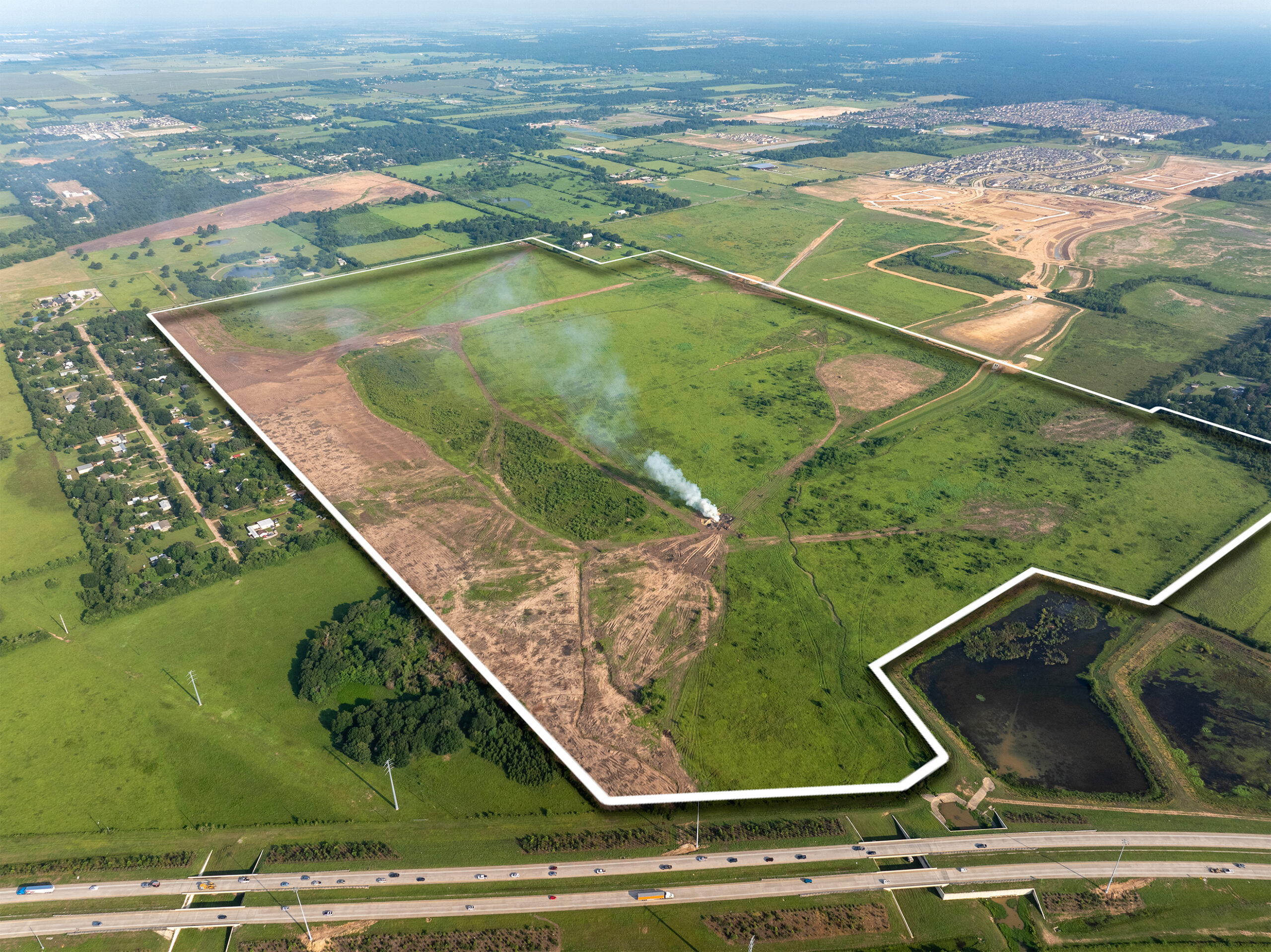
Overview
Land development loans represent one of the most specialized categories of hard money financing, addressing the unique capital requirements of transforming raw or underutilized land into buildable, valuable development sites. In the constrained Laguna Beach and Orange County markets, where buildable land commands premium prices and entitlements significantly impact property values, development financing provides the capital necessary to navigate the complex journey from land acquisition through construction readiness.
The land development process encompasses multiple distinct phases, each with specific capital requirements and risk characteristics. Initial acquisition requires purchase capital for properties that often generate no current income and may carry substantial uncertainties regarding development potential. Entitlement efforts, securing necessary permits, approvals, and regulatory clearances, require additional funding for professional services including architects, engineers, environmental consultants, and land use attorneys.
Hard money land development loans address these specialized financing needs by providing capital structured around development milestones rather than current cash flow. This approach enables experienced developers to acquire strategic land positions, advance entitlement efforts, and prepare sites for vertical construction or sale to builders. The asset-based nature of hard money lending proves particularly valuable for land financing, where traditional lenders often struggle to underwrite properties without current income or completed improvements.
Service Applications
Land development hard money loans support diverse development strategies across residential, commercial, and mixed-use project types. Residential land development ranges from single-lot infill projects in established neighborhoods to multi-lot subdivisions that create new housing inventory in supply-constrained markets. In premium locations like Laguna Beach, even single development lots can represent substantial value, and hard money financing enables developers to acquire and prepare these strategic positions.
Commercial land development includes sites destined for retail centers, office buildings, industrial facilities, and hospitality projects. These developments require careful analysis of market demand, accessibility, utilities, and zoning compatibility. Hard money loans provide the capital to secure well-located commercial sites and advance them through entitlement processes that create buildable, valuable development opportunities.
Mixed-use developments that combine residential, commercial, and recreational components have become increasingly popular in walkable, transit-oriented communities. These complex projects require sophisticated entitlement strategies and extended development timelines that hard money financing can accommodate. Land banking strategies, where developers acquire land in anticipation of future value appreciation, also benefit from hard money loans structured around hold periods and eventual disposition or development.
Common Challenges
Land development projects present inherent challenges that specialized financing must address to support successful outcomes. Regulatory uncertainty represents perhaps the most significant risk, as entitlement processes can yield unpredictable results regarding density, use restrictions, and development requirements. Hard money land development loans are typically structured with milestone-based disbursement and conservative loan-to-value ratios that account for these uncertainties while providing the capital necessary to advance projects through approval processes.
Extended timelines between acquisition and revenue generation create cash flow management challenges for land development projects. Unlike income-producing properties that generate cash to service debt, development land typically requires ongoing carrying costs including loan payments, property taxes, insurance, and maintenance without offsetting revenue. Hard money land development loans often include interest reserves or deferred payment structures that accommodate these cash flow patterns.
Market timing risks also affect land development investments, as projects initiated during strong market conditions may face different realities when entitled and ready for construction or sale. Experienced developers mitigate these risks through conservative underwriting, strategic site selection, and flexible financing structures that can accommodate various market scenarios. Hard money lenders experienced in development financing understand these dynamics and structure loans that provide appropriate risk management while supporting viable projects.
Our Approach
Our land development lending program combines real estate development expertise with flexible financing structures designed specifically for land-based investments. We begin by evaluating development sites comprehensively, considering location quality, zoning entitlements, infrastructure availability, environmental conditions, and market demand for the intended use. This thorough upfront analysis helps identify viable projects and appropriate loan structures before capital is committed.
Milestone-based disbursement ensures that development funds are available as projects progress through defined phases. Initial advances typically support land acquisition, with subsequent disbursements tied to entitlement milestones such as preliminary plan approval, final map recordation, or building permit issuance. This phased approach aligns capital availability with value creation while providing natural checkpoints for project evaluation.
Throughout the development period, we maintain close communication with borrowers to monitor entitlement progress, address any regulatory challenges, and adjust timelines if necessary. Our development lending experience enables us to provide valuable guidance on entitlement strategies, professional team assembly, and market positioning. When projects reach build-ready status, we can facilitate transition to construction financing or support disposition to builders seeking entitled development opportunities.
Frequently Asked Questions
What types of land qualify for development loans?
Hard money land development loans can finance raw land, entitled but unimproved sites, and land with partial improvements. Qualifying land should have clear development potential supported by zoning, infrastructure availability, and market demand. Land under agricultural use, conservation restrictions, or with significant environmental constraints may require specialized evaluation to determine lending viability.
How are land development loans structured given the lack of current income?
Land development loans are typically structured with interest reserves, deferred payments, or capitalized interest that accommodates the absence of current cash flow. Loan disbursement follows milestone-based schedules tied to acquisition, entitlement progress, or development phases. Terms generally range from 12-36 months to accommodate extended entitlement timelines, with extension options available for projects progressing satisfactorily.
What happens if entitlements are not approved as anticipated?
Land development loans include risk management provisions for entitlement uncertainties. Conservative loan-to-value ratios protect against value erosion if approvals are limited. Some loans include provisions for partial releases or loan modifications if entitlement outcomes differ significantly from projections. Communication about regulatory challenges enables early evaluation of alternative strategies or exit options.
Can development loans include funds for professional services and soft costs?
Yes, land development loans typically include allocations for professional services including architectural and engineering design, environmental studies, surveying, legal counsel, and entitlement consulting. These soft costs are essential to the development process and are evaluated as part of overall project feasibility. Draw schedules incorporate these costs alongside land acquisition and any required infrastructure improvements.
What is the typical loan-to-value ratio for land development loans?
Land development loans typically offer lower loan-to-value ratios than loans on improved properties, often ranging from 40-65% depending on entitlement status, location quality, and development risk. Raw land without entitlements generally qualifies for lower leverage than entitled sites with approved plans. Cross-collateralization or additional security can increase available loan amounts for well-qualified borrowers and strong projects.